01
01Where to begin
Find your topic
Anxiety, family, self-esteem, boundaries and more: begin with what you are living through.
Explore topicsYou say yes to everything and then you can't keep up. Unification gives you back the place from which to do what you feel, without guilt for what you don't want.
This might sound familiar
What it's about
Yes comes out quickly because it avoids the discomfort of the moment. Then the day arrives and there is no time left, no energy, no real presence. And whoever was waiting for you receives both things at once: your word says one, your energy says another. The practice doesn't ask you to set hard limits or rehearse answers: it gives you back a few seconds of distance between the question and your reply, the ones you need to hear yourself. Being connected to yourself lets you be clear about what you want and about what you create.
A few minutes, no special posture, no absolute silence.
You start telling your yes from the automatic one.
With care and in time, no long explanations.
A practice to start with
This is a first Unification practice. It takes a few minutes and asks you neither to rehearse an answer nor to decide anything today:
Start here
"Doing what you feel, without guilt": the first thing you can do when yes comes out before you think, straight to your inbox.
You can unsubscribe whenever you want.
Keep exploring
After signing up, choose the next step that best fits what you need today.
01Where to begin
Anxiety, family, self-esteem, boundaries and more: begin with what you are living through.
Explore topics 02
02The practice
Discover the facets and how a simple practice can become part of everyday life.
Discover UnificationMexico center
The center where the retreats in Mexico take place, with teachers and community holding the practice.
Discover the centerUruguay center
A retreat house on the Río de la Plata, an hour from Montevideo, to go deeper without the noise.
Discover the center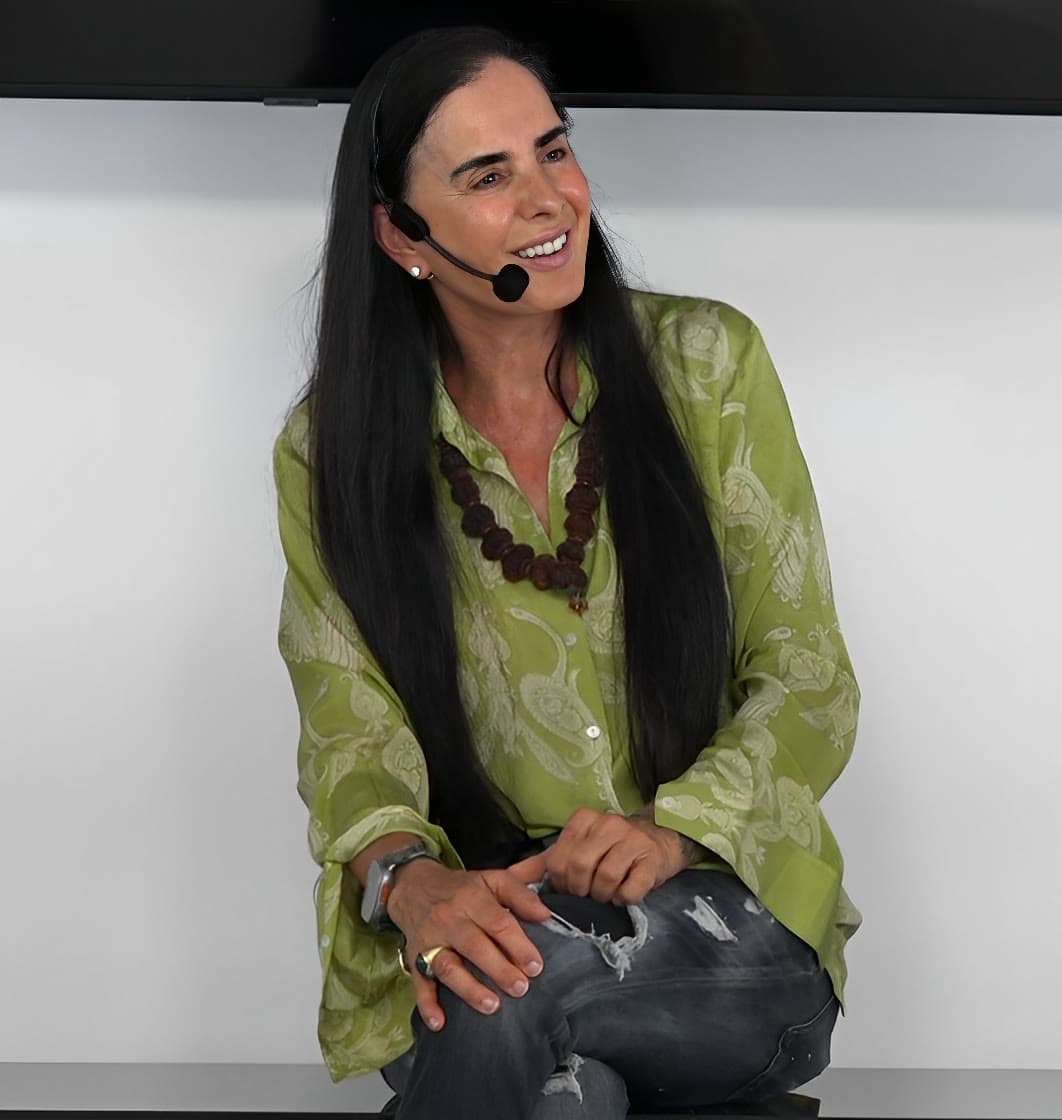 05
05The creator
Spiritual teacher, author and speaker. She created Unification 25 years ago: love for oneself as the ground of a peaceful humanity.
Testimonials
Real people sharing their experience with Unification.
It happened to someone like you
“I said yes to everything. That kept me caged, unable to say no.”
“Choosing myself is hard: I'm always giving to everyone else.”
Questions
You can say no and still take care of the relationship, and it usually starts by listening to yourself before you answer. When the reply comes out automatically, it is almost always a yes: the one that gets ahead of the discomfort. The problem shows up later, when it is time to deliver and you arrive with barely anything left, and whoever was waiting for you gets a tired version of you or a last minute message. That disappoints far more than a no said in time. The practice doesn't teach you a formula for saying no: it gives you back a few seconds of distance between the question and your reply. In those seconds you can see what you really want and what you can really hold. From there the no comes out gentler, with no long justifications. And many people notice something they didn't expect: the relationship tends to get clearer, because the other person no longer has to guess.
You can cancel something you already accepted, and it is often the most honest thing you can do. A yes said out of obligation is held up with effort and arrives late, half done or incomplete, and whoever expected your presence notices anyway. Letting them know in advance gives the other person time to rearrange, and gives you your day back. You don't need a long explanation or an invented reason: naming it early and with care is enough. It costs something, of course, because when you cancel the same discomfort you avoided when you said yes shows up again. That is why it helps to have a steady place inside: a few minutes of practice a day don't change the conversation, they change where you have it from. If there is something in your calendar today that you accepted without wanting to, that can be the first place to try. Nobody holds up a calendar they didn't choose for very long.
Saying no isn't selfish, and it tends to work the other way around from what people fear. When you say yes without meaning it, the signal you give is ambiguous: your word says one thing and your time, your energy and your mood say another, and the other person receives both at once. That is how you get the yes that is only half kept, the favour with a silent reproach, the presence that isn't quite there. When you choose to listen to yourself, what you give is whole. Being connected to yourself lets you be clear about what you want and about what you create, and that clarity is also a relief for the people around you: they stop moving in doubt. The practice doesn't make you hard or distant, and it doesn't promise the discomfort will disappear. It gives you back a place from which to choose, and from there your yes is worth something again, because when you say it you mean it.

Start today with a simple practice you can take anywhere.