01
01Where to begin
Find your topic
Anxiety, family, self-esteem, boundaries and more: begin with what you are living through.
Explore topicsNothing you do ever feels like enough, and resting feels like giving up. Unification gives you back the place from which to look at your work without hunting for the flaw.
This might sound familiar
What it's about
That bar you measure yourself with rarely started with you. Do you know where being so hard on yourself comes from? It is learned early, when you find out that doing things well brings affection and calms everything around you. Over the years that voice stops measuring what you do and starts measuring you. The practice doesn't ask you to lower the bar: it gives you a steady place inside from which you can look at what you did without hunting for the flaw. From there, resting stops feeling like giving up.
A few minutes, no special posture, no absolute silence.
You start telling your voice from the voice that demands.
One small step: calling it done and letting it go.
A practice to start with
This is a first Unification practice. It takes a few minutes and asks neither that what you did be perfect nor that you feel any different:
Start here
"Resting from yourself": the first thing you can do when demanding more of yourself stopped helping, straight to your inbox.
You can unsubscribe whenever you want.
Keep exploring
After signing up, choose the next step that best fits what you need today.
01Where to begin
Anxiety, family, self-esteem, boundaries and more: begin with what you are living through.
Explore topics 02
02The practice
Discover the facets and how a simple practice can become part of everyday life.
Discover UnificationMexico center
The center where the retreats in Mexico take place, with teachers and community holding the practice.
Discover the centerUruguay center
A retreat house on the Río de la Plata, an hour from Montevideo, to go deeper without the noise.
Discover the center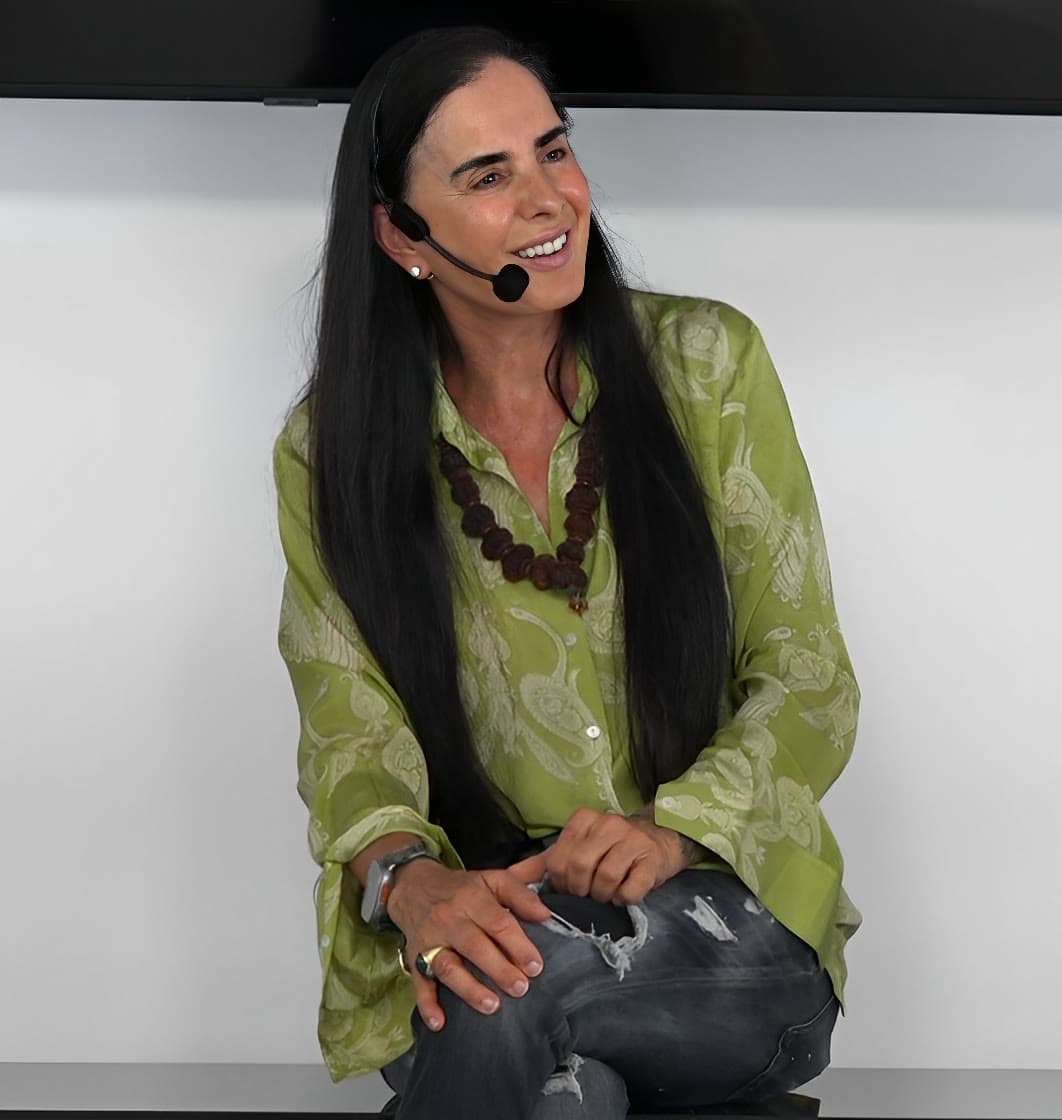 05
05The creator
Spiritual teacher, author and speaker. She created Unification 25 years ago: love for oneself as the ground of a peaceful humanity.
Testimonials
Real people sharing their experience with Unification.
It happened to someone like you
“Choosing myself is hard: I'm always giving to everyone else, especially my children.”
“Being in charge, with my mind on too many things and the pressure of getting them right.”
Reading
Questions
Easing the harshness doesn't make you complacent, and usually the opposite happens. What holds your work up is the care you put into it, not the punishment that comes afterwards. Being hard on yourself hangs on to that care and passes itself off as it, which is why letting go feels risky: it seems that without that voice on top of you everything would fall apart. In practice, what loosens is not the standard, it is the harshness. You still choose to do things well, but you stop paying for every result with hours of reviewing and reproach. Many people say they started working with more clarity exactly when they stopped checking the same thing ten times, because the energy spent doubting came back to the work. None of this is a promise about performance: it is putting down a weight that was never doing the work for you.
You hand it in with that feeling still there, because it rarely leaves first. The voice saying something is missing doesn't wait to be right: it shows up with good work and with excellent work, so waiting for it to go quiet means waiting for a moment that never comes. What changes with the practice is who decides it is ready. When you have a steady place inside, you can look at what you did, see that it does what it had to do and let it go, even while the voice keeps giving its opinion. The first time is uncomfortable; afterwards an unexpected relief often shows up, because nothing falls apart and what you handed in is enough. Perhaps today it is enough to pick one small thing, call it finished and see what happens when you let it go.
It doesn't promise to remove it, and it would be strange if it did: that voice learned how to look after you and it has been with you a long time. What the practice offers is a different relationship with it. Today it arrives and takes up all the space; when you have a steady place inside, it still arrives, but it fits, you can listen without obeying and carry on with your day. It takes a few minutes, no special posture and no absolute silence, and you can do it before a meeting, on a short trip or at night. Over time many women notice something simple: they hand something in without it being perfect and they rest without guilt that same afternoon. Not because they stopped valuing their work, but because they stopped measuring themselves with the ruler of the result. It is a tool for coming back to yourself, not a cure.