01
01Where to begin
Find your topic
Anxiety, family, self-esteem, boundaries and more: begin with what you are living through.
Explore topicsReal love doesn't squeeze and doesn't depend. Unification is a simple practice to fill your own emptiness and relate from freedom.
Maybe this sounds familiar
What it's about
We mistake intensity for love, and pain for destiny. We cling to people so we don't have to feel our own emptiness, and we call love what is often fear of losing. Unification guides you back to yourself, so the bond stops resting on fear.
A simple practice to bring your attention to your heart instead of placing it on the other.
You start telling apart when you speak from love and when from fear of losing.
When you fill your own emptiness, the bond stops being a need and becomes a choice.
A practice to start with
This is a first Unification practice. It takes a few minutes and doesn't ask you to stop loving anyone or to solve anything about the relationship:
What you'll notice
A space between what you feel and what you do to hold on.
You stop asking the other to complete you.
You can say what you feel without fearing you'll lose love.
Something simple to return to yourself when fear tightens.
Start today
Leave us your email and we'll send you an introduction to the practice, for those moments when the fear of losing squeezes harder than love.
Free, no spam. You get the tools right away.
Keep exploring
After signing up, choose the next step that best fits what you need today.
01Where to begin
Anxiety, family, self-esteem, boundaries and more: begin with what you are living through.
Explore topics 02
02The practice
Discover the facets and how a simple practice can become part of everyday life.
Discover UnificationMexico center
The center where the retreats in Mexico take place, with teachers and community holding the practice.
Discover the centerUruguay center
A retreat house on the Río de la Plata, an hour from Montevideo, to go deeper without the noise.
Discover the center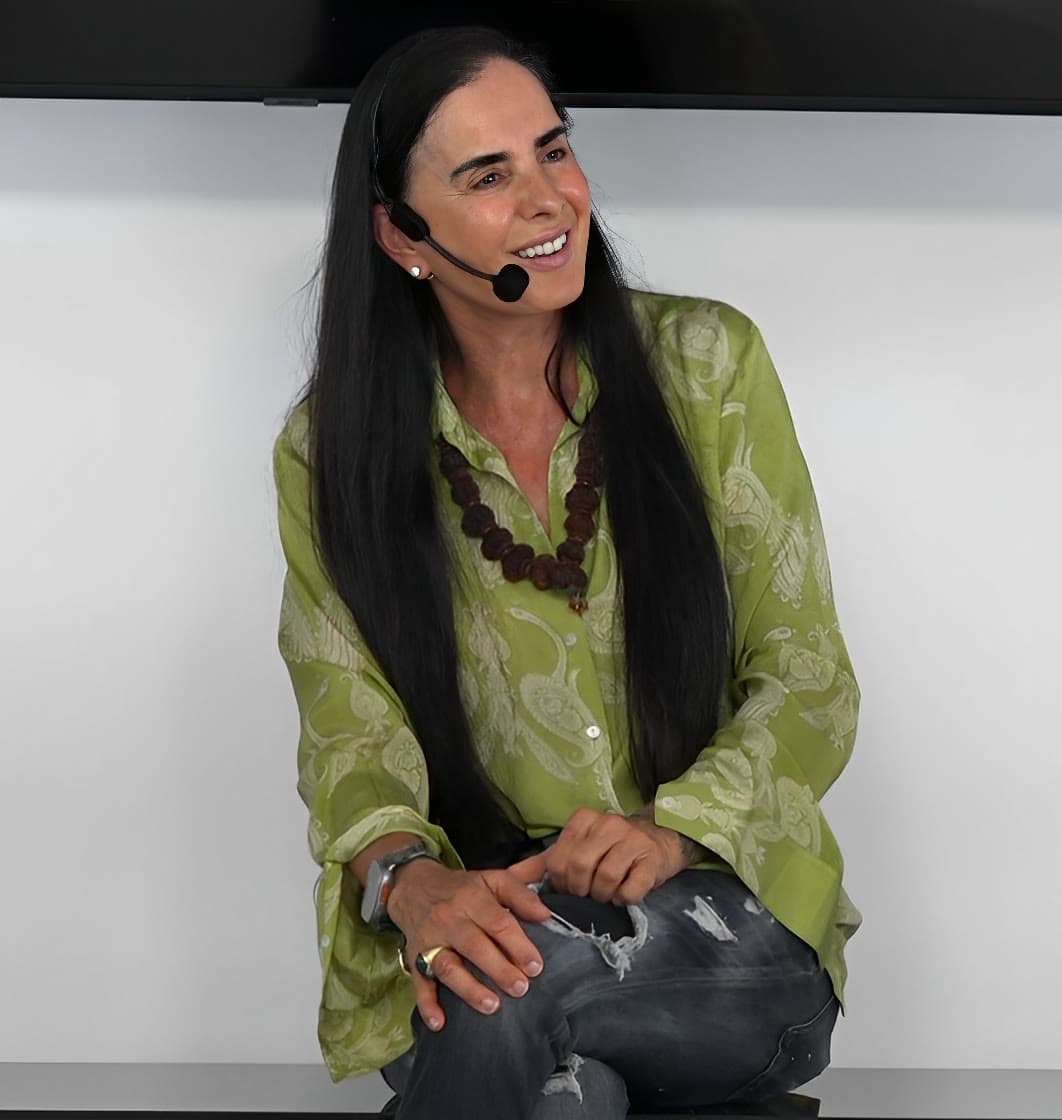 05
05The creator
Spiritual teacher, author and speaker. She created Unification 25 years ago: love for oneself as the ground of a peaceful humanity.
Who is Isha Judd
Australian. Writer, speaker and spiritual teacher, Peace ambassador recognised by the UN. She created Unification 25 years ago and holds it as a living teacher, guiding thousands of people to relate from love and not from fear.
Testimonials
Real people sharing their experience with Unification.
Stories
“I arrived full of fears, attachment and control, wanting everything to be the way I wanted it.”
“Leaving my children was very hard. I got to see that this attachment is not love.”
To begin
Read about it
Reflections by Isha to accompany the process.
Questions
Ask yourself honestly: does this bond give me peace, or fear of losing it? Love expands you and returns you to yourself; attachment tightens and pulls you away to keep watch over the other. It isn't about labelling your relationship or deciding today whether it continues: it's about seeing where you are choosing from. Unification offers exactly that, a way back to yourself so you can love without clinging.
Because attachment looks outside for the safety you haven't yet found within. When you feel that without that person something in you dims, what shows up isn't love: it's fear of being alone with your own emptiness. It isn't a flaw, it's a sign of where you're not holding yourself. The way out isn't to care less, it's to start giving yourself what you're waiting for from outside, and fear loses its grip without you having to fight it.
Yes, and it doesn't mean loving less: it means loving without needing. Real love doesn't squeeze, doesn't smother and doesn't depend, because it isn't using the other to cover a hole. When you fill your own emptiness, the bond stops being a need and becomes a choice, which is a far freer place for both. Learn the practice in What is Unification.
Letting go isn't loving less or cutting the bond: it's no longer holding yourself up with it. Start with the simplest: when the urge to hold on appears, breathe before acting, and give yourself what you're waiting for. In time you discover you can keep loving that person without your peace depending on what they do.
Leaving isn't the hard part: believing you deserve more is. When your sense of safety rests on the other person, staying feels easier than facing the uncertainty of being with yourself, and the fear of being alone ends up choosing for you. What changes things is choosing what's best for you again, one step at a time: a small boundary you hold, and your day starts to feel like yours again. Saying no shows you how to take that first step. And if there is control, violence or real fear, seek specialized help as soon as possible.
Because we often repeat what we already know, even when it hurts: the familiar looks dangerously like the true, and intensity gets mistaken for connection. The shift comes when you stop asking why this happens to you and start asking what in you keeps choosing it. Your attention returns to your side of the story and change becomes possible.
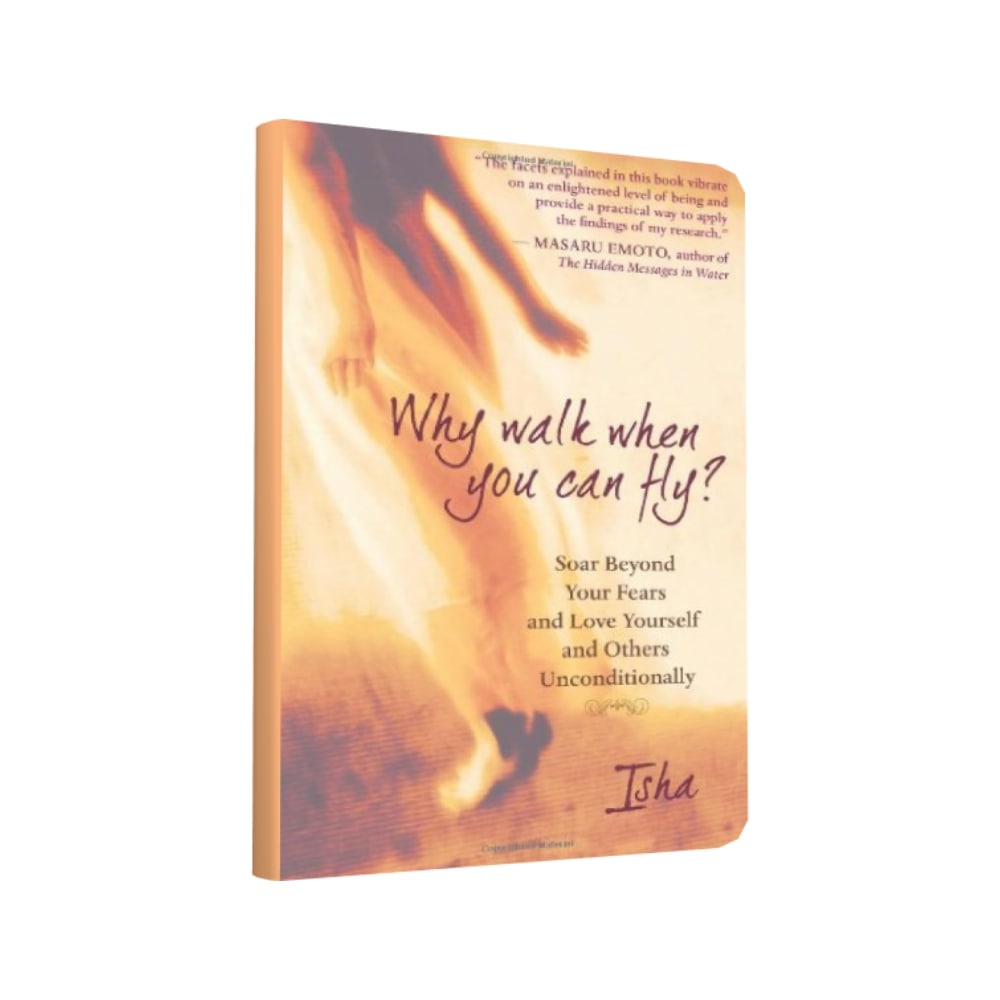
No. Unification is designed for anyone, from day one, with no experience or prior knowledge. It's a short practice you can do at home or wherever you are, in a few minutes a day. If you're wondering where to begin, you can discover it for free with the film Why Walk When You Can Fly? or join the live course with Isha.
When the bond causes sustained distress, isolation or suffering you cannot move through alone. Asking for support isn't a failure: it's the healthiest thing you can do. And if control, violence or real fear appear, that is no longer attachment and needs specialised help as soon as possible. Unification is a wellbeing practice and doesn't replace professional care; they can go together.

Take the first step today with a simple practice you can carry anywhere.