
 Conciencia
Retreat and course calendar: upcoming personal growth retreats
I
Isha Team

Feeling stuck isn't about doing nothing: it's moving without connecting with what you want. Here we share Isha Judd's concrete exercise to take one step this week.
Feeling stuck isn't the same as not doing anything. You can be busy all day and still feel that your life isn't moving forward. Isha Judd sums it up with a simple idea: you feel stuck because you've disconnected from yourself. When you stop listening to yourself, even days full of tasks feel the same.
That disconnection doesn't appear all at once. It builds up in decisions you make thinking first about what's expected of you, in routines you follow without asking yourself whether you still want them, in one day after another with no room to stop and feel. Stop seeking outside approval describes that same pattern from another angle: when you live for other people's eyes, you drift a little further from yourself each time.
Looking at other people's lives and feeling that yours isn't moving forward is another common way that feeling stuck shows up. You see someone change jobs, move, start a relationship or a project, and the comparison leaves you feeling behind. But that comparison measures your path with a yardstick that isn't yours: constant comparison is, in fact, among the common reasons for perceived stagnation, according to psychologist Pablo Larraya.
The question that really matters isn't how far others have come, but what you're no longer hearing in yourself while you watch them. Turning your attention inward, even for a moment, changes the point of comparison: it's no longer another person, it's what you feel you need today.
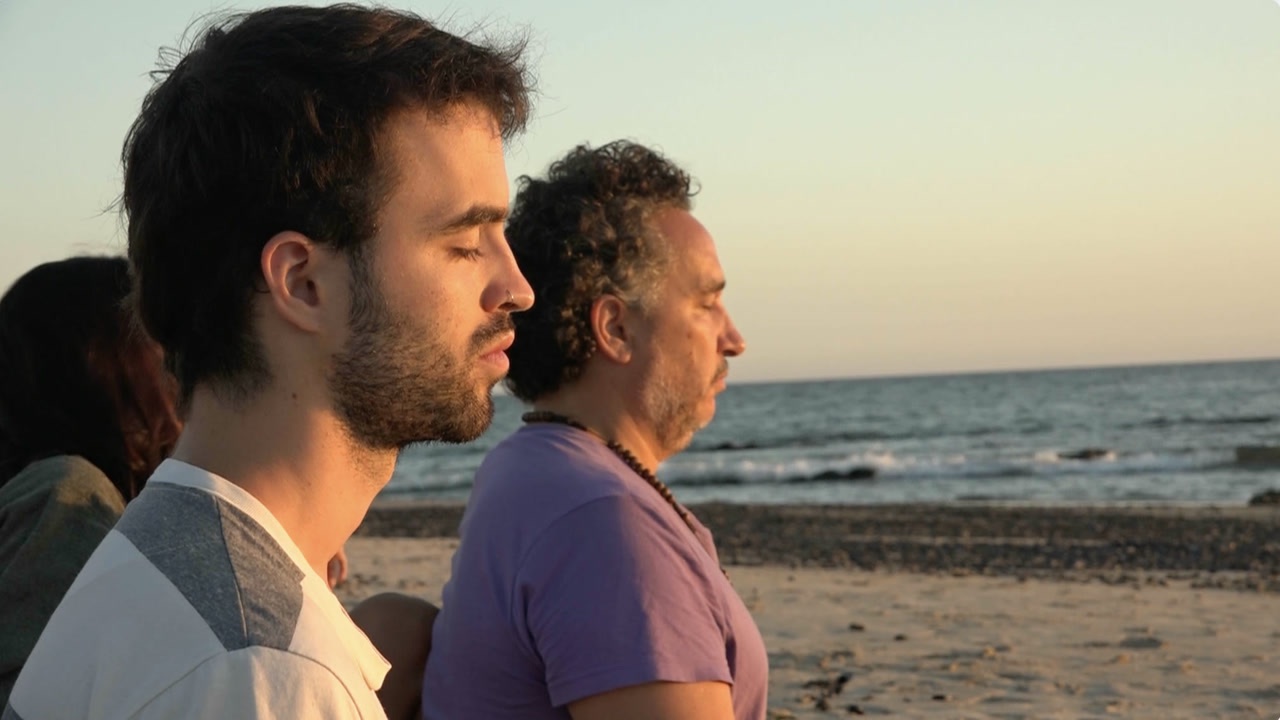
Unification is the practice Isha Judd offers to get out of that autopilot: bringing your attention from the mind to the heart. Instead of going around in circles with thoughts about what's missing or what you should be doing, you go back to feeling. There, in the heart, is where what you really want starts to become clear, not in the head that compares and projects.
This shift doesn't require special conditions or a lot of time. Coming back to yourself in the middle of your day describes very similar steps for taking this same pause without stepping away from what you're doing.
Isha Judd offers a concrete exercise for this moment, designed to take less than a minute:
Don't look for a big or final answer. A small idea is enough, something you can do in the next few days. If your mind gets distracted or starts comparing again, simply come back to the question and to your heart. Within Unification, this same gesture goes deeper with a facet, a short phrase like Love creates me in my perfection, which you think while you keep your attention there.
This guide shares tools to help your life start moving again: they're not big or instant solutions, they're concrete steps you can start taking today.
One of the ways feeling stuck holds on the most is waiting for the right moment to start: when you have more time, when you feel more sure of yourself, when conditions are better. Isha Judd suggests the opposite: start something new, even if it's small, instead of continuing to wait.
That small step you identified in the exercise can be just that: the new thing that sets the movement going, without needing to have everything else figured out. Taking steps toward your own growth doesn't require a total change overnight, it requires starting.
This exercise is a doorway to a fuller practice. You can go deeper into Unification in two ways: online, with the virtual seminar to learn to Unify, a live session with support afterward, or in person, living the full experience at one of the Unification Centers. If you'd like to first understand what the full practice involves, here we explain what Unification is and how to practice it.
If you'd like to keep going deeper, write CAMBIO by DM or in the comments on our posts and we'll share more tools to help your life start moving again.
Feeling stuck today doesn't define what comes next. Movement doesn't always start with a big change: sometimes it starts with closing your eyes, coming back to your heart and taking a step, however small.
FAQ
Because being stuck isn't about activity, it's about connection. When you disconnect from yourself, as stop seeking outside approval describes, even a day full of tasks feels the same as the one before.
ConcienciaIsha Team
 Conciencia
Isha Team
 Conciencia
Isha Team
 Conciencia
Isha Team
 Conciencia
Isha Team
 Conciencia
Isha Team
 Conciencia
Isha Team
 Conciencia
Isha Team
 Conciencia
Isha Team
 Conciencia
Isha Team
 Conciencia
Isha Team
 Conciencia
Isha Team

Weekly newsletter with articles, retreat calendar, and the blog's most-read posts.
By subscribing you accept our Privacy policy.