
 Conciencia
How to Practice Gratitude and Live from the Heart
I
Isha Team
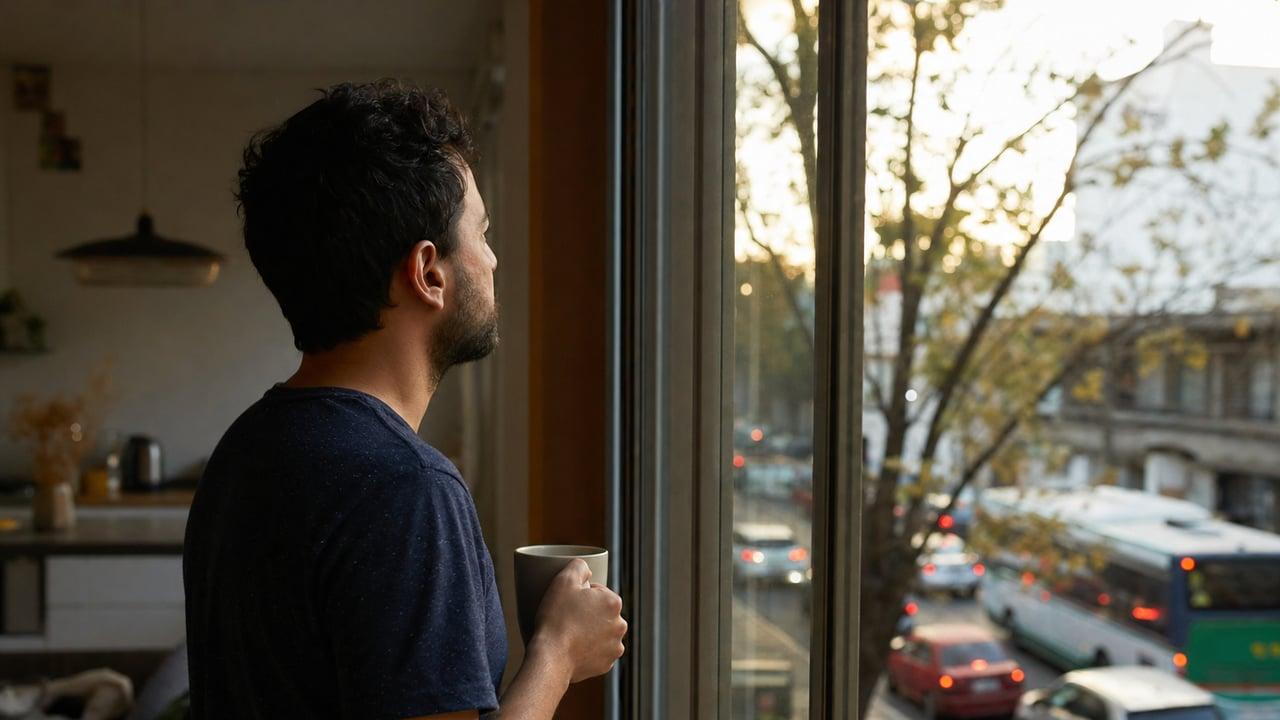
We're sharing tools to look at your mind with calm: what witnessing is and the exercise to create space between what you think and what you do.
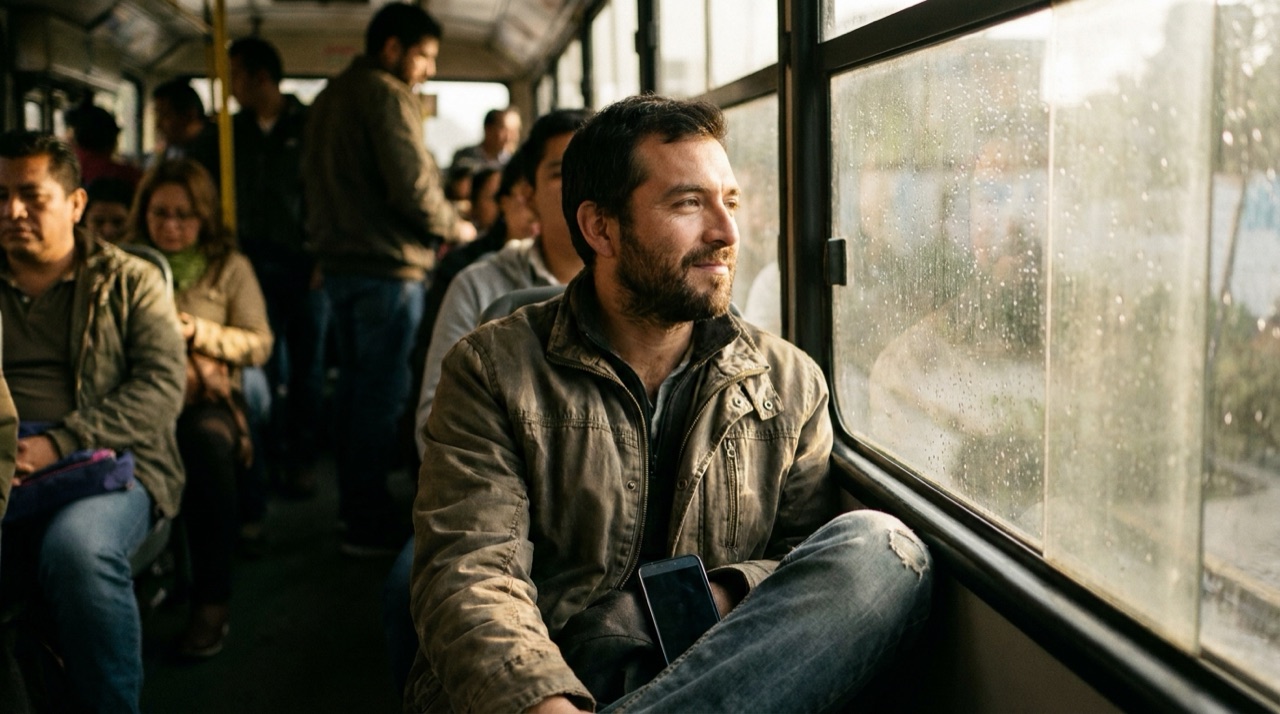
Thoughts keep passing. And you stay right where you are. Isha Judd sums it up this way in a carousel posted on social media: in the Unification this is called witnessing, you watch what you think go by like someone looking at the street from a window. It's there, it moves, and it doesn't sweep you away.
It isn't a technique for stopping your thoughts or emptying your mind. It's changing the place from which you look at what you think: instead of standing in the middle of the street, letting every thought carry you off with it, you sit by the window and let it pass.
Widely shared guides on observing your thoughts, like one that includes a breathing exercise, suggest something similar: close your eyes, breathe deeply and observe what appears without judging it. It's a good starting point, but it stays there, as a separate exercise. Witnessing, within the Unification, doesn't stay only in that moment of silence: it becomes something you can bring to the instant when you're reading a message or answering a question.
A space appears between what you think and what you do. A breath fits in there, and in that breath is often the answer you really wanted to give, not the one that comes out automatically.
It's the same head, with more air. You don't change your thoughts from one day to the next, you change the place from which you look at them, and that leaves a gap where before there was only reaction.
A guided practice that circulates in a podcast episode names something similar: the idea of creating a space between what you think and the way you decide to respond. The difference is that this practice asks for fifteen minutes of separate silence. The space Isha Judd's carousel talks about opens in the middle of what you're already doing, without asking for that extra time.
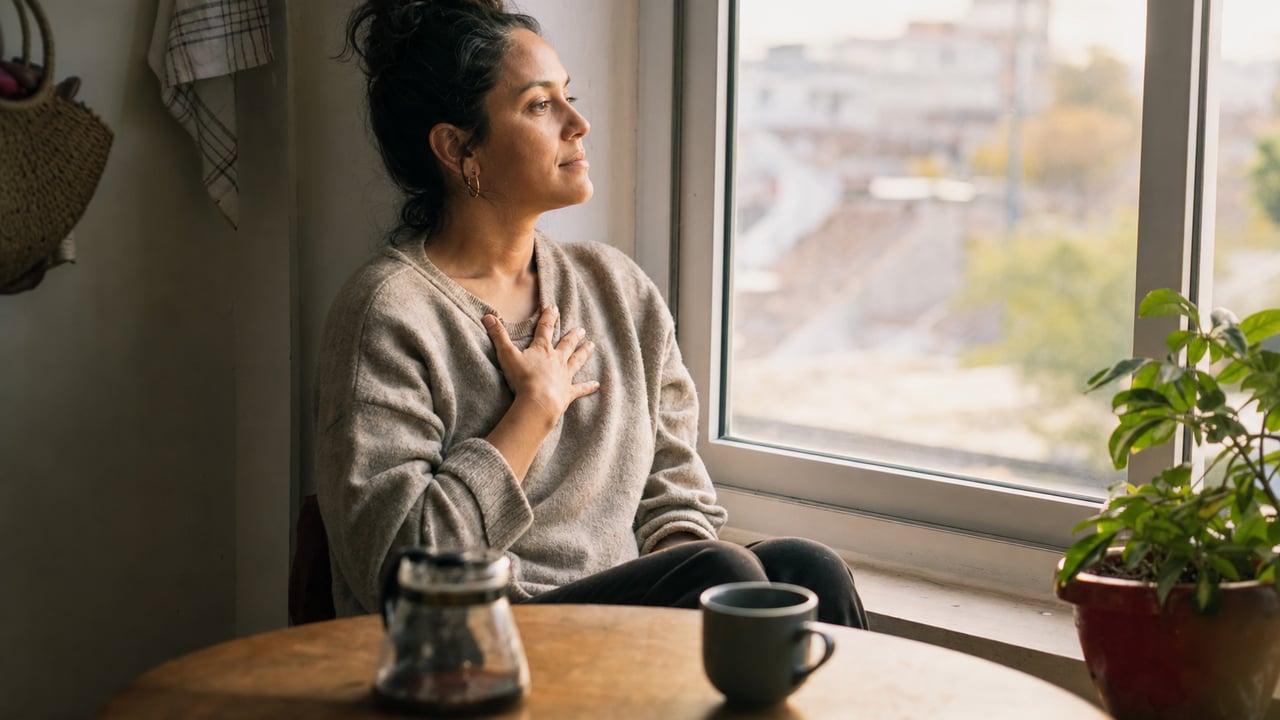
Within the Unification, that space is sustained by bringing your attention to your heart, not only to your breath. It's the facet put into action: a brief thought you think while you feel your heart, which brings you back to yourself instead of sending you straight into reacting.
You can try this right where you are, without looking for a separate place:
That's it. You don't need to repeat it many times or hold it for long minutes: the gesture of watching the thought pass and coming back is, in itself, witnessing.
A similar exercise that circulates as a podcast, the one about observing the avalanche of thoughts without ceasing to attend to your breath, also asks you to let what arises pass without judging it. The difference is in where you place your attention while you do it: here it's the heart, not only the breath, and that is the point that opens the space we've been talking about.
Looking at what happens inside is already choosing, even if it doesn't show at first. Isha Judd gives two concrete signs in the same carousel: you read a message and reply later, calmly, instead of answering as soon as you see it. A worry appears and is gone before dinner, instead of going around in circles all night.
Neither of the two is a big or immediate change. They're small things, but they're the way the space between what you think and what you do starts to show in an ordinary day, without you having to announce it or strain to prove it.
If you want to keep going with this, you can return to the three-step exercise every time you notice a thought is carrying you off with it: close your eyes, bring your attention to your heart and let it pass.
Isha Judd had already spoken about being a witness to the mind in Stop waiting for the world to change, change yourself, where she describes it as observing repetitive thoughts based on fear, and she also names it as part of expanding awareness in How the expansion of awareness can transform your life. If what you want is to bring this same gesture to a specific moment in your routine, like standing in line or waiting for water to boil, the one-minute practice to unify your day develops that concrete application.
Write OBSERVADOR by DM or in the comments and we'll share tools to look at your mind with calm.
FAQ
Witnessing is watching what you think go by, like someone looking at the street from a window: the thought is there, it moves, but it doesn't sweep you away with it. It isn't about stopping your thoughts or emptying your mind, it's about changing the place from which you look at what you think. We cover it in the section about what witnessing means.
ConcienciaIsha Team
 Conciencia
Isha Team
 Conciencia
Isha Team
 Conciencia
Isha Team
 Conciencia
Isha Team
 Conciencia
Isha Team
 Conciencia
Isha Team
 Conciencia
Isha Team
 Conciencia
Isha Team
 Conciencia
Isha Team
 Conciencia
Isha Team
 Conciencia
Isha Team

Weekly newsletter with articles, retreat calendar, and the blog's most-read posts.
By subscribing you accept our Privacy policy.