 Relaciones
Self-love in relationships: you don't need to make yourself smaller
I
Isha Team
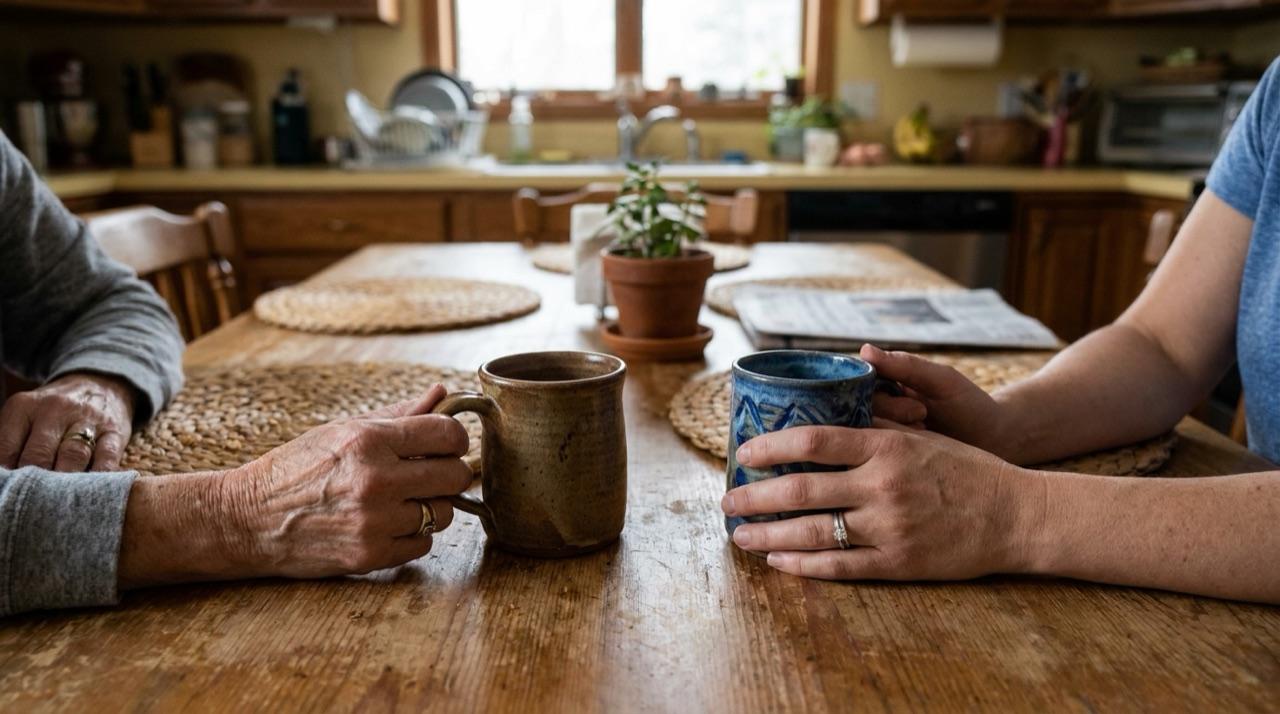
You walk into your parents' house and within minutes you feel fifteen again. This is what you can change before you walk in, not during the argument.
If you're looking to improve your relationship with your parents, you probably know the scene. You ring the doorbell, you walk in, and before you even sit down at the table you've gone back to being the version of yourself that argued with your parents years ago. The same old comment, the same old response, and on the way home you're thinking about the same thing all over again. Isha Judd sums it up like this in the original slide from this carousel: "You walk into that house and in five minutes you're fifteen again."
It's not that your parents repeat the scene on purpose, or that you didn't set out to do it differently this time. It's that you arrive from the same old place, and from that place your response comes out the same.
If you look up how to improve your relationship with your parents, you'll find useful advice: talk calmly, listen without interrupting, keep your temper in check, forgive, and start over. All of that helps during the conversation.
But almost nothing tells you what to do before, in the minutes right before you walk into that house, which is when the pattern is already switched on. The conversation isn't the whole problem: the emotional place you arrive from is part of it too.
As that same slide says: "With your parents, you can choose where you're coming from." You can't choose what they say, or how they react. But you can choose the inner place you walk into that house from, and that place is what determines almost everything that happens afterward.
When the place you arrive from changes, your relationship with your parents changes, even if they keep saying exactly the same things as always.
The slide puts it like this: before the next family gathering, stay a few minutes in the car or in front of the door. Close your eyes, think the facet, for example Love creates me in my perfection, and bring your attention to your heart. Walk in when you want to, not before you feel that change of place.
It's not about taking a deep breath or preparing a speech for the argument you think is coming. It's about walking in from a different place than usual, before the usual scene has a chance to repeat itself.
The conversation may start the same as always. The difference is in how you receive it: from the heart and not from the role you've played for years, what used to drive you up the wall now has less room to settle in.
Your relationship with your parents changes when the place you arrive from changes. It isn't a promise that they're going to change. It's the real possibility that you walk into that house differently, visit after visit, until walking in that way becomes the norm.
If what you find hard is listening without correcting within your own family, you can check out this guide on listening without correcting. And if the same pattern of walking in distracted or reactive keeps happening with your own children, this other guide on how to be present with your children shares the same exercise of pausing before you walk in.
If you want to keep up this practice beyond a single visit, this path to learning to practice Unification goes deeper into the Facets and how to use them in the relationships that matter most to you.
And if the relationship you find hard to sustain isn't with your parents but with a partner who's bad for you, love or need: signs of a toxic relationship applies this same practice to the decision to choose yourself within that relationship.
FAQ
Because you arrive at that house from the same old place. It's not that the conversation changes; it's that you walk in already stuck in the same role you've played for years, and from there your response comes out the same as always. The place you arrive from can be changed before you walk in.

Weekly newsletter with articles, retreat calendar, and the blog's most-read posts.
By subscribing you accept our Privacy policy.